How Antidepressants Help in Treating Nerve Pain: Mechanisms, Types, and What to Expect
If your doctor has suggested an antidepressant for nerve pain, your first reaction might be confusion — or even concern. You're not being treated for depression. So why this medication? The answer lies in how these drugs interact with the nervous system at a level that has nothing to do with mood and everything to do with pain signaling.
What Is Neuropathic Pain and Why Is It Hard to Treat?
Neuropathic pain is pain caused by damage or dysfunction in the nervous system itself, rather than by tissue injury or inflammation. Unlike a sprained ankle or a surgical wound, nerve pain often persists long after any original injury has healed — and standard over-the-counter painkillers like ibuprofen or acetaminophen typically do very little to help.
The reason is structural. Neuropathic pain isn't driven by prostaglandins or inflammation the way typical pain is. Instead, it stems from misfiring nerves, damaged nerve fibers, or a nervous system that has become hypersensitive — a phenomenon researchers call central sensitization. The brain and spinal cord essentially get stuck in an amplified pain state, interpreting signals as painful even when no physical threat exists.
This is why conditions like diabetic peripheral neuropathy, postherpetic neuralgia, and fibromyalgia are notoriously difficult to manage. Standard analgesics target the wrong mechanism entirely. Effective treatment requires drugs that work directly on the nervous system's signaling architecture — which is exactly where antidepressants come in.
Why Doctors Prescribe Antidepressants for Pain (Not Depression)
Prescribing antidepressants for neuropathic pain is a legitimate, well-established clinical practice — not a workaround or a last resort. This is what's known as off-label use: using an approved medication for a condition other than its original FDA indication. In pain medicine, this is common and evidence-supported.
The key point for patients to understand is that the dose used for pain management is often different from the dose used for depression, and the therapeutic goal is entirely separate. A prescribing physician isn't suggesting that your pain is psychological. They're drawing on decades of clinical research showing that these medications interfere with pain transmission at the neurological level.
Major pain management guidelines from organizations like the International Association for the Study of Pain recognize certain antidepressants as first- or second-line treatments for specific neuropathic conditions. This isn't fringe medicine — it's mainstream pain pharmacology.
How Antidepressants Work on Pain Signals in the Nervous System
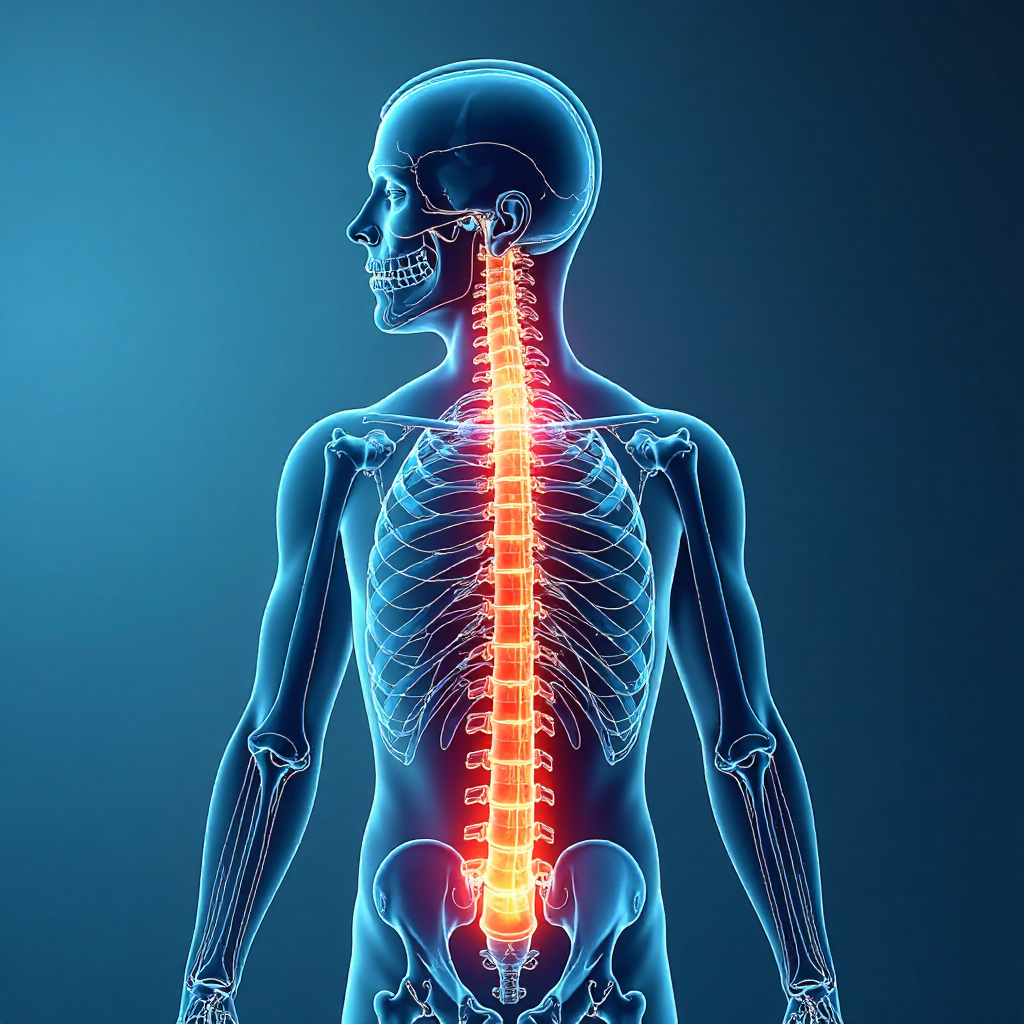
The core mechanism involves the brain's own pain-suppression system. The nervous system has built-in pathways that travel downward from the brain to the spinal cord — called descending pain pathways — and their job is to dampen incoming pain signals before they reach conscious awareness. These pathways rely heavily on two neurotransmitters: serotonin and norepinephrine.
When nerve damage or central sensitization disrupts normal pain processing, this descending inhibition system becomes less effective. Pain signals that should be filtered out get through instead — sometimes amplified. Antidepressants that increase the availability of serotonin and norepinephrine in the synaptic gaps along these pathways essentially restore some of that natural braking power.
Think of it this way: if the nervous system's volume knob is stuck at ten, these medications help turn it back down to a manageable level. The pain signals are still generated, but the brain's ability to suppress them is restored. This is distinct from how opioids work (which block pain receptors) and from how anti-inflammatory drugs work (which reduce the source of pain signals).
Central sensitization also means the spinal cord itself has become hyperreactive. By reinforcing descending inhibition, antidepressants can reduce this spinal hypersensitivity over time — which is one reason the pain relief often builds gradually rather than appearing overnight.
Types of Antidepressants Used for Nerve Pain
Two main classes of antidepressants are used in neuropathic pain treatment, and they work through related but distinct mechanisms.
Tricyclic Antidepressants (TCAs)
Tricyclic antidepressants are among the oldest and most studied options for nerve pain. Medications like amitriptyline and nortriptyline block the reuptake of both serotonin and norepinephrine, increasing their concentration in descending pain pathways. They also have some sodium channel-blocking properties, which may contribute to their pain-relieving effects independently.
TCAs have a longer track record in pain management, but they come with a broader side effect profile — including dry mouth, drowsiness, constipation, and cardiovascular effects at higher doses. For this reason, they're often started at very low doses and titrated slowly. Nortriptyline is generally better tolerated than amitriptyline, making it a common first choice for patients who are sensitive to side effects.
SNRIs (Serotonin-Norepinephrine Reuptake Inhibitors)
SNRIs like duloxetine and venlafaxine work more selectively than TCAs — they specifically block the reuptake of serotonin and norepinephrine without the additional receptor-blocking activity that causes many of TCAs' side effects. This generally makes them easier to tolerate, particularly for older patients or those with cardiovascular concerns.
Duloxetine has received FDA approval specifically for diabetic peripheral neuropathy and fibromyalgia, making it one of the few antidepressants with a formal pain indication rather than purely off-label use. Venlafaxine has strong evidence in several neuropathic conditions as well, though it's typically used off-label for pain.
SSRIs (selective serotonin reuptake inhibitors), by contrast, have much weaker evidence for neuropathic pain. Because they primarily affect serotonin rather than norepinephrine, they don't engage the descending inhibition pathway as effectively — which is why they're rarely the first choice for pain management.
Conditions Where Antidepressants Are Commonly Used for Nerve Pain
Antidepressants are most effective for specific types of neuropathic pain where the nervous system's pain-processing machinery is centrally involved.
- Diabetic peripheral neuropathy: One of the most common applications. Duloxetine is FDA-approved for this condition. Both TCAs and SNRIs have meaningful evidence here.
- Fibromyalgia: A condition characterized by widespread musculoskeletal pain and central sensitization. Duloxetine and milnacipran (another SNRI) are approved specifically for fibromyalgia management.
- Postherpetic neuralgia: The persistent nerve pain that follows a shingles outbreak. TCAs like amitriptyline have been used here for decades.
- Chronic low back pain: When a neuropathic component is present — such as radiculopathy — antidepressants may provide relief that anti-inflammatory drugs cannot.
- Chemotherapy-induced peripheral neuropathy: An emerging area of use, though evidence is still developing.
These conditions share a common thread: pain that outlasts or exists independently of tissue damage, driven by nervous system dysfunction rather than ongoing injury.
What to Expect: Effectiveness, Dosage, and Side Effects
Pain relief from antidepressants typically takes two to six weeks to develop — and in some cases, the full benefit isn't apparent for eight to twelve weeks. This timeline surprises many patients who expect immediate relief. The gradual onset reflects the time required for neurotransmitter systems to recalibrate rather than any delay in the drug reaching therapeutic blood levels.
The doses used for neuropathic pain are often lower than those prescribed for depression. This is particularly true for TCAs — amitriptyline for pain might be prescribed at 10–25 mg at bedtime, compared to doses of 75–150 mg or higher used in psychiatric treatment. This distinction matters because it means the mood-altering effects are typically minimal at pain doses, and the risk profile is different.
Common side effects to discuss with your prescribing physician include:
- Drowsiness or sedation (more common with TCAs; often managed by taking the dose at night)
- Dry mouth, constipation, and blurred vision (anticholinergic effects, primarily TCAs)
- Nausea or reduced appetite (more common with SNRIs, often temporary)
- Dizziness or blood pressure changes
- Weight changes with long-term use
Not everyone responds to the first medication tried. A pain management specialist may need to adjust the dose, switch between drug classes, or combine approaches before finding what works for a particular patient. Response to treatment is genuinely individual — the same drug at the same dose can produce dramatic relief in one patient and minimal benefit in another.
When to Talk to a Doctor About This Treatment Option
If you're living with nerve pain that hasn't responded adequately to standard treatments, antidepressants are worth discussing with a qualified prescriber. They're particularly worth considering if your pain has a burning, shooting, or electric quality — characteristics typical of neuropathic rather than nociceptive pain.
Self-medicating with antidepressants is not appropriate. These medications require proper diagnosis, dosing, and monitoring — both because the right choice depends on your specific condition and because stopping them abruptly can cause discontinuation symptoms. Any dose changes should be managed by your physician.
Questions worth raising with your doctor include:
- Which class of antidepressant is most appropriate for my specific type of nerve pain?
- How will we measure whether the treatment is working?
- What other medications am I taking that might interact?
- What's the plan if the first medication doesn't provide adequate relief?
- How long should I expect to stay on this treatment?
A pain management specialist or neurologist with experience in neuropathic conditions will often be better positioned than a general practitioner to guide these decisions, particularly for complex or treatment-resistant cases. The goal is always to find the most effective approach with the least burden of side effects — and that requires a personalized, supervised strategy.
Frequently Asked Questions
Do antidepressants work immediately for nerve pain?
No. Most patients begin to notice some improvement after two to four weeks, with fuller effects developing over six to twelve weeks. The gradual timeline reflects how long it takes for neurotransmitter systems to adapt — not a sign that the medication isn't working.
Will taking antidepressants for pain affect my mood?
At the lower doses typically used for pain, mood effects are usually minimal. Some patients actually notice a modest improvement in mood as a secondary benefit — which makes sense given the overlap in neurotransmitter systems. Significant mood changes in either direction should be reported to your doctor.
Are antidepressants better than gabapentin for nerve pain?
Neither is universally superior. Gabapentin and pregabalin work through different mechanisms (calcium channel modulation) and may be more effective for certain conditions. Antidepressants tend to have stronger evidence for diabetic neuropathy and fibromyalgia specifically. Many patients benefit from a combination approach, determined by their physician.
Can I stop taking antidepressants for pain suddenly?
No — stopping abruptly can cause discontinuation syndrome, which includes symptoms like dizziness, nausea, irritability, and flu-like sensations. Any decision to stop or reduce the dose should be done gradually under medical supervision.
Are antidepressants safe for long-term nerve pain management?
For many patients, yes — particularly SNRIs like duloxetine, which have been studied in longer-term use. The risk-benefit profile varies by individual, however, and regular check-ins with your prescriber are important to reassess whether continued treatment remains appropriate.