Understanding Neuropathic Pain: Causes, Symptoms, and Diagnosis
Neuropathic pain affects an estimated 7–10% of the general population, yet it remains one of the most misunderstood and underdiagnosed pain conditions in medicine. Unlike the sharp sting of a cut or the ache of a bruised muscle, this type of pain originates not from damaged tissue but from a nervous system that has gone awry — sending pain signals when there is no ongoing injury to explain them. Understanding what neuropathic pain is, where it comes from, and how it gets diagnosed is the first step toward meaningful relief.
What Is Neuropathic Pain?
Neuropathic pain is pain caused by damage or dysfunction within the nervous system itself, rather than by injury to body tissue. This distinguishes it fundamentally from nociceptive pain — the ordinary pain you feel when you stub a toe or sprain an ankle, which resolves as the tissue heals.
With neuropathic pain, the nerves themselves become the source of the problem. They misfire, generating pain signals spontaneously or in response to stimuli that should not be painful at all. The experience can feel bizarre: a bedsheet touching the skin might trigger intense burning, or a limb may ache persistently even after a wound has long healed.
This is a form of chronic pain — meaning it persists beyond the typical healing window, often lasting months or years. Because it does not behave like ordinary pain, patients frequently struggle to describe it accurately to their doctors, and the condition can go unrecognized for a significant period.
How the Nervous System Contributes to Neuropathic Pain
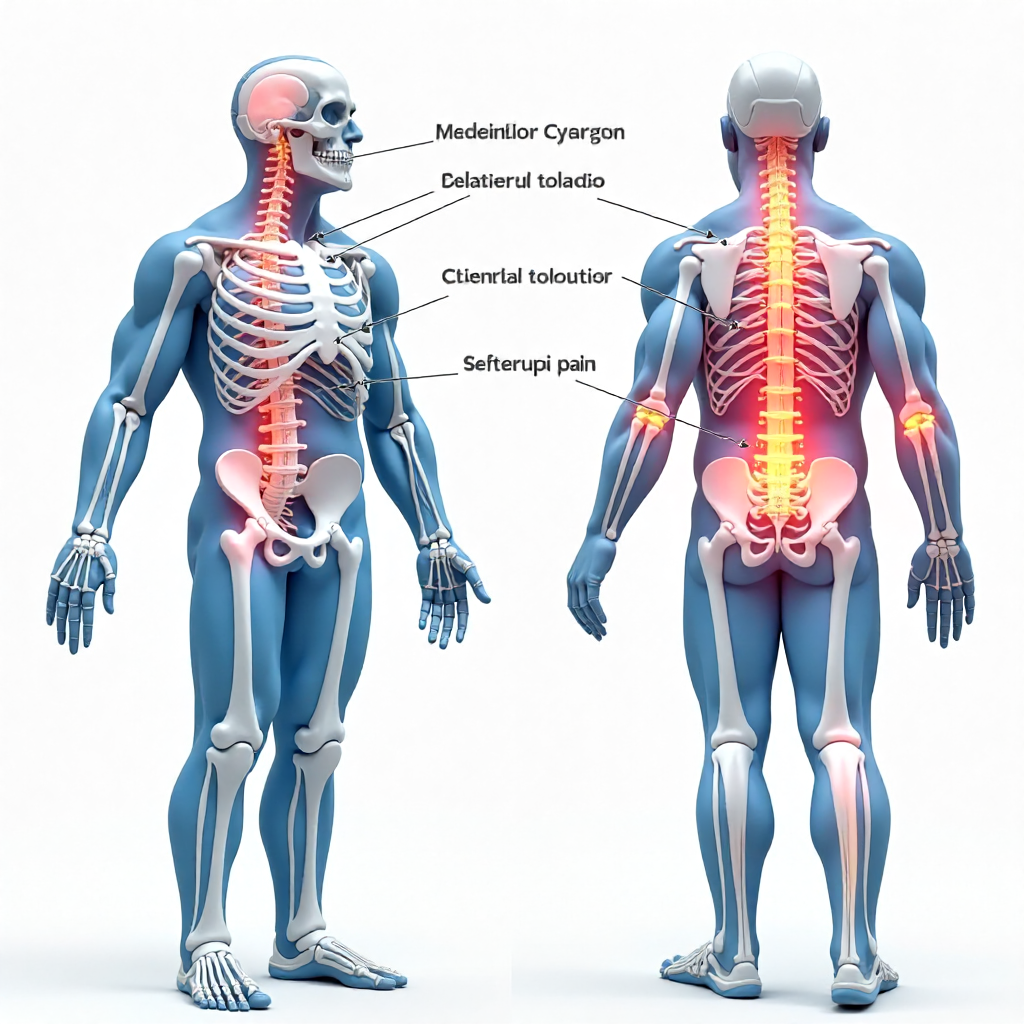
The nervous system has two main divisions involved in neuropathic pain: the peripheral nervous system (PNS) and the central nervous system (CNS). Damage or malfunction in either — or both — can produce abnormal pain signaling.
The peripheral nervous system consists of the nerves that extend from the spinal cord throughout the body — to the limbs, organs, and skin. When these nerves sustain damage, they can begin firing erratically, sending distorted signals toward the brain. This is the mechanism behind conditions like diabetic neuropathy, where chronically elevated blood sugar gradually degrades peripheral nerve fibers.
The central nervous system — the brain and spinal cord — processes those incoming signals. When the CNS itself is affected, as in multiple sclerosis or after a stroke, it may amplify or misinterpret signals, generating pain that has no peripheral origin at all. This central sensitization is one reason neuropathic pain can be so difficult to treat: the problem is not just in one nerve, but in how the entire pain-processing system has been recalibrated.
Common Causes of Neuropathic Pain
Neuropathic pain has many potential causes, most of which involve direct nerve damage or a disease process that disrupts normal nerve function. The most frequently encountered include:
- Diabetic neuropathy — the leading cause worldwide. Prolonged high blood glucose damages small nerve fibers, typically starting in the feet and moving upward.
- Postherpetic neuralgia — nerve pain that persists after a shingles (herpes zoster) outbreak, sometimes lasting years after the rash has cleared.
- Multiple sclerosis — demyelination in the CNS disrupts signal transmission and can generate intense, unpredictable pain episodes.
- Chemotherapy-induced peripheral neuropathy — certain cancer drugs are directly toxic to peripheral nerve fibers, causing pain, numbness, and tingling in the hands and feet.
- Physical nerve injury — trauma from accidents, surgeries, or compression (such as a herniated disc pressing on a nerve root) can trigger chronic neuropathic symptoms.
- HIV/AIDS — the virus itself, as well as some antiretroviral medications, can damage peripheral nerves.
- Phantom limb pain — pain perceived in an amputated limb, arising from reorganized signaling in the CNS.
In some cases, no identifiable cause is found. This is called idiopathic neuropathic pain, and it is more common than many patients realize.
Recognizing the Symptoms of Neuropathic Pain
The hallmark of neuropathic pain is a distinctive quality that sets it apart from other pain types — patients almost universally describe sensations that feel electrical, burning, or deeply abnormal.
Common symptom descriptors include:
- Burning pain — a persistent, often intense heat sensation, frequently reported in the feet with diabetic neuropathy
- Shooting or stabbing pain — sudden, electric shock-like jolts along a nerve pathway
- Tingling or "pins and needles" — a constant low-level buzzing or prickling sensation
- Numbness — paradoxically, areas that are numb can still generate pain signals
- Allodynia — pain triggered by stimuli that are not normally painful, such as light touch, clothing contact, or a gentle breeze
- Hyperalgesia — an exaggerated pain response to stimuli that would normally cause only mild discomfort
Allodynia is particularly telling. If you find that a gentle touch on your skin produces genuine pain — not just discomfort, but real pain — that is a clinically significant symptom that warrants medical evaluation. It points directly to nervous system dysfunction rather than peripheral tissue injury.
Symptoms are often worse at night, which can severely disrupt sleep and compound the physical and emotional toll of the condition. Many patients also report that their pain fluctuates unpredictably, making it harder to plan daily activities.
How Neuropathic Pain Is Diagnosed
Diagnosing neuropathic pain involves a combination of patient history, physical examination, and targeted tests — there is no single definitive test that confirms the condition on its own.
The process typically unfolds in stages:
1. Detailed patient history. A clinician will ask about the character of the pain (burning, shooting, electric?), its location, duration, and what makes it better or worse. They will also explore underlying conditions — diabetes, recent infections like shingles, cancer treatment history, or known nerve injuries. This history is often the most diagnostically valuable part of the encounter.
2. Neurological examination. A physical exam tests reflexes, muscle strength, and sensory responses — including sensitivity to light touch, pinprick, temperature, and vibration. Abnormal findings help localize whether the problem lies in the peripheral or central nervous system.
3. Nerve conduction study (NCS) and electromyography (EMG). A nerve conduction study measures how fast and effectively electrical signals travel through specific nerves. It can identify which nerves are damaged and how severely. EMG assesses the electrical activity of muscles, helping distinguish nerve damage from muscle disease.
4. Skin biopsy. For small-fiber neuropathy — which affects the tiniest nerve fibers and may not appear on a standard NCS — a skin punch biopsy can measure the density of nerve endings in the skin. Reduced density confirms small-fiber involvement.
5. Blood tests and imaging. These help identify underlying causes: blood glucose and HbA1c for diabetes, thyroid function tests, vitamin B12 levels, and inflammatory markers. MRI may be ordered when a central cause like MS or spinal cord compression is suspected.
Validated questionnaires such as the DN4 (Douleur Neuropathique 4) or the Leeds Assessment of Neuropathic Symptoms and Signs (LANSS) are also used in clinical practice to systematically screen for neuropathic characteristics. You can find more information on diagnostic approaches through resources like the National Institute of Neurological Disorders and Stroke.
When to See a Doctor
You should seek medical evaluation if pain has persisted for more than a few weeks, feels distinctly different from ordinary pain, or is accompanied by numbness, weakness, or unusual skin sensitivity. These are not symptoms to wait out.
A neurologist or pain specialist is the appropriate specialist for complex or unclear cases. Your primary care physician can often initiate the diagnostic workup and refer you if needed. Pain clinics that specialize in chronic pain management are particularly valuable when symptoms are severe or have been present for a long time without a clear diagnosis.
Do not delay because the pain seems manageable. Neuropathic conditions tend to be progressive when the underlying cause is untreated, and early intervention consistently produces better outcomes than waiting until symptoms become severe.
The Importance of Early Diagnosis
Early diagnosis of neuropathic pain matters because the condition rarely improves on its own without addressing its root cause — and because nerve damage, in many cases, can progress silently before symptoms become debilitating.
In diabetic neuropathy, for example, identifying and managing blood glucose levels early can slow or halt further nerve deterioration. In postherpetic neuralgia, prompt antiviral treatment during the shingles outbreak reduces the likelihood of long-term nerve pain. The window for intervention is real, and it closes over time.
There is also a psychological dimension. Chronic, unexplained pain is strongly associated with anxiety and depression. Receiving a clear diagnosis — knowing what is happening and why — reduces uncertainty and opens the door to structured management. Patients with a confirmed diagnosis are better positioned to work with their healthcare team on a treatment plan that may include medications, physical therapy, psychological support, and lifestyle adjustments.
Understanding the nature of neuropathic pain is not just academic — it is the foundation for every decision that follows, from choosing the right specialist to evaluating treatment options. The next step after diagnosis is exploring what management strategies are available, and how different approaches address the underlying mechanisms of nerve pain.
Frequently Asked Questions
Can neuropathic pain go away on its own?
In some cases, yes — particularly when it follows a temporary nerve injury and the underlying cause resolves. However, most chronic neuropathic pain does not resolve without treatment, especially when it is linked to an ongoing condition like diabetes or multiple sclerosis. Early treatment gives the best chance of reducing or eliminating symptoms.
Is neuropathic pain the same as nerve pain?
These terms are often used interchangeably, and they refer to the same phenomenon: pain arising from nerve damage or dysfunction. "Nerve pain" is the colloquial term; "neuropathic pain" is the clinical designation used in diagnosis and research.
What conditions are most commonly associated with neuropathic pain?
Diabetic neuropathy is the most prevalent globally. Other common associations include postherpetic neuralgia (after shingles), chemotherapy-induced neuropathy, multiple sclerosis, spinal cord injury, and HIV-related neuropathy.
How is neuropathic pain different from regular chronic pain?
Regular chronic pain typically involves ongoing tissue damage or inflammation — arthritis, for instance. Neuropathic pain originates in the nervous system itself, often producing sensations like burning, electric shocks, or allodynia that are not characteristic of tissue-based pain. The mechanisms differ, which is why treatments that work for one type often do not work for the other.
What happens if neuropathic pain is left undiagnosed?
Without diagnosis, the underlying cause goes untreated and may progress. Nerve damage can worsen, functional limitations increase, and the psychological burden of unexplained chronic pain compounds over time. Early diagnosis is consistently associated with better long-term outcomes across the most common neuropathic conditions.