Diet and Nutrition Tips to Reduce Nerve Pain: Foods, Nutrients, and Safety Tips
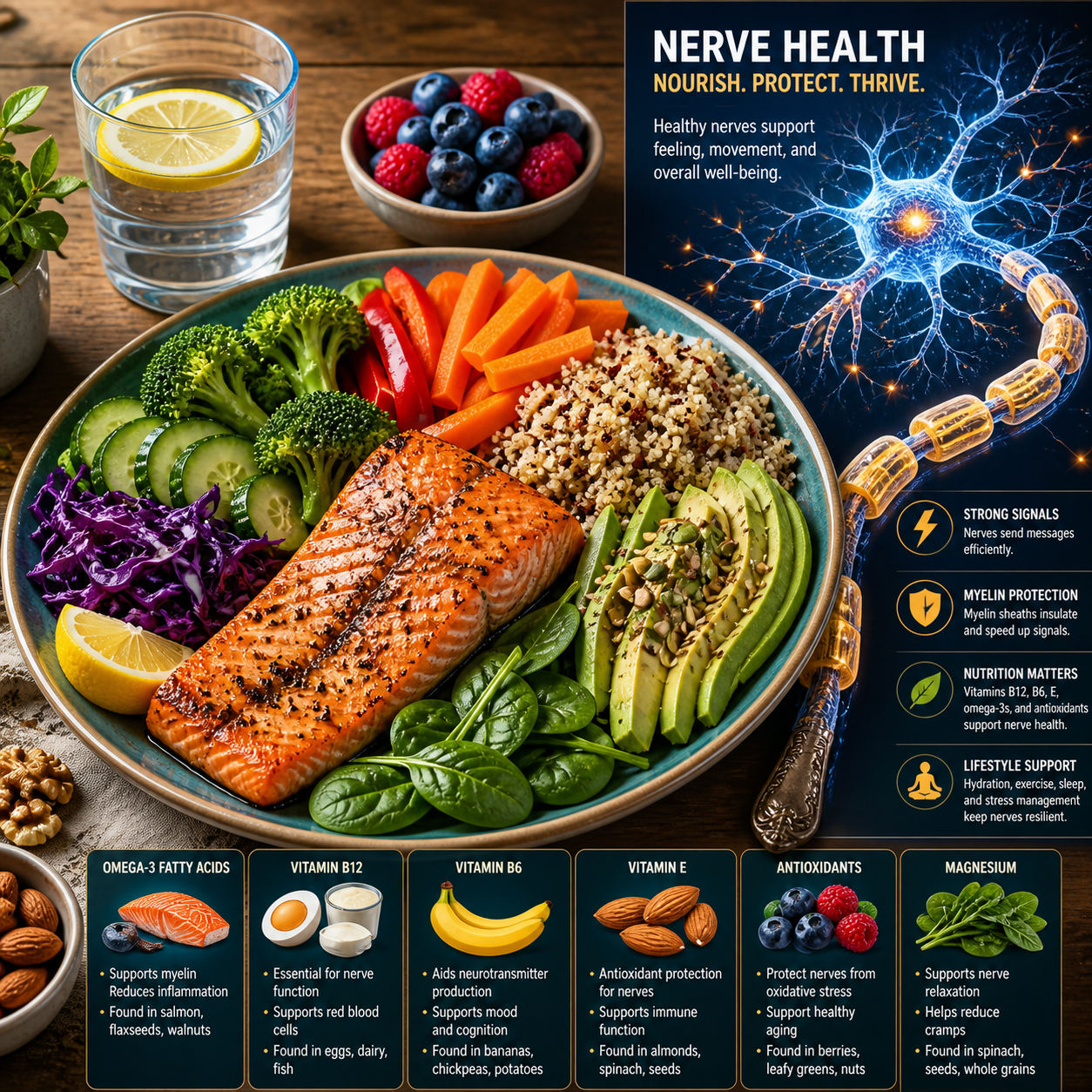
Nerve pain can feel burning, electric, stabbing, or numb, and it may interfere with sleep, movement, and everyday activities. Nutrition cannot diagnose or cure neuropathy, but a consistent eating pattern can support blood sugar management, cardiovascular health, energy, and the nutrients nerves need to function.
The most useful approach is practical rather than restrictive: build meals around whole foods, limit habits that aggravate underlying conditions, and coordinate dietary changes with your clinician’s treatment plan. That plan may include physical therapy, treatment of an underlying illness, or medicines such as gabapentin.
How Diet May Affect Nerve Pain
Diet may affect nerve pain indirectly by influencing blood sugar, inflammation, circulation, body weight, and nutritional status. These factors can support or strain nerve function, but dietary changes work as part of broader medical care rather than as a standalone cure.
High or rapidly changing blood glucose can damage nerves over time, especially in diabetes. A balanced diet with regular meals may make glucose levels easier to manage. Foods rich in fiber, unsaturated fats, and plant compounds may also support general metabolic and cardiovascular health.
Nutrition matters in other ways, too. Severe alcohol use, restrictive diets, digestive disorders, kidney disease, and some medicines can contribute to nutrient deficiencies. Low levels of certain B vitamins, for example, may cause or worsen nerve-related symptoms. Yet similar symptoms can result from diabetes, shingles, chemotherapy, compression, autoimmune disease, or other conditions. The cause determines the most appropriate treatment.
Think of food as a foundation, not a painkiller. It can improve the conditions in which nerves operate, but it usually cannot provide the rapid symptom relief expected from a prescribed pain-management medicine.
Build a Balanced, Nerve-Friendly Eating Pattern
To build a nerve-friendly eating pattern, fill most meals with vegetables, a protein source, high-fiber carbohydrates, and a modest amount of healthy fat. This structure supports steady energy and makes meals easier to plan without banning entire food groups.
A simple plate method works well:
- Half the plate: non-starchy vegetables such as leafy greens, broccoli, peppers, mushrooms, tomatoes, or green beans.
- One quarter: protein such as fish, eggs, chicken, tofu, beans, lentils, or plain Greek yogurt.
- One quarter: high-fiber carbohydrates such as oats, barley, quinoa, brown rice, potatoes with skin, or whole-grain bread.
- Add: a small portion of healthy fat, such as olive oil, avocado, walnuts, chia seeds, or pumpkin seeds.
For example, a meal could include baked salmon, roasted vegetables, and quinoa with olive oil and lemon. A lower-cost option might combine lentil soup, a side salad, and whole-grain toast. Snacks can pair protein and fiber, such as an apple with peanut butter or unsweetened yogurt with berries.
Hydration also matters. Water is usually the best default, while sweetened drinks can add substantial sugar without much fiber or nourishment. People with heart failure, kidney disease, or fluid restrictions should follow individualized advice rather than increasing fluids automatically.
Choose changes you can repeat. Replacing one refined snack each day is more sustainable than adopting a highly restrictive diet that leaves you tired, hungry, or socially isolated.
Nutrients That Support Nerve Health
B vitamins, omega-3 fatty acids, magnesium, protein, and other nutrients support normal nerve and muscle function. Food sources are generally preferred, while supplements should be considered only after reviewing diet, medical conditions, laboratory results, and medication risks.
B vitamins
Vitamin B12 is found in fish, meat, eggs, dairy products, and fortified foods. Vegan diets, older age, reduced stomach acid, and some medicines can increase the risk of low B12. Folate and vitamin B6 also have important roles, but more is not always better. Excessive vitamin B6 from supplements can itself cause nerve damage.
If numbness, tingling, fatigue, or balance changes suggest a deficiency, ask a clinician whether testing is appropriate. Do not assume a high-dose B-complex product is harmless.
Omega-3 fatty acids
Fatty fish such as salmon, sardines, trout, and mackerel provide omega-3 fatty acids. Plant sources include flaxseed, chia seeds, and walnuts, although the body processes these forms differently. Omega-3-rich foods can fit into a balanced diet, but they should not be presented as a proven cure for neuropathy.
Magnesium and adequate protein
Magnesium appears in beans, nuts, seeds, whole grains, and leafy greens. Protein supplies amino acids needed for tissue maintenance and helps meals feel satisfying. Kidney disease can change how the body handles minerals and protein, so individualized guidance is essential.
Before taking supplements, review the product with a pharmacist or clinician. Supplements may interact with medicines, duplicate nutrients in fortified foods, or be unsafe with kidney or liver disease. Reliable background information on dietary supplements is available from the National Institutes of Health Office of Dietary Supplements.
Foods and Habits to Limit
Limit excessive alcohol, highly processed foods, added sugars, and irregular eating patterns when they worsen blood sugar or overall health. These habits may contribute to the conditions associated with nerve pain, although an occasional treat is different from a persistent dietary pattern.
- Alcohol: Heavy or prolonged use can contribute to nutritional deficiencies and alcohol-related neuropathy. Alcohol may also increase dizziness or drowsiness when combined with gabapentin.
- Highly processed foods: Frequent intake of processed meats, salty packaged meals, and refined snacks can displace fiber-rich whole foods and make blood pressure or glucose management harder.
- Added sugars: Sweetened beverages, desserts, and large portions of refined carbohydrates can produce a rapid glucose rise, particularly relevant to diabetes-related neuropathy.
- Skipped meals: Long gaps followed by very large meals may make energy and blood sugar less predictable.
A common mistake is trying to eliminate every carbohydrate. Whole grains, beans, fruit, and starchy vegetables provide fiber and useful nutrients. The better correction is portion awareness, choosing higher-fiber options, and matching carbohydrate intake to your diabetes plan when relevant.
Nutrition Tips for Diabetes-Related Neuropathy
For diabetes-related neuropathy, prioritize steady carbohydrate portions, fiber-rich foods, and regular monitoring within your diabetes-care plan. Better glucose management may help reduce the risk of further nerve injury, but it does not reverse every existing symptom.
Try to keep carbohydrate amounts reasonably consistent from meal to meal if your clinician has recommended that approach. Combine carbohydrates with protein, vegetables, or healthy fats to make meals more filling. Examples include oatmeal with nuts and plain yogurt, a bean-and-vegetable bowl with brown rice, or a whole-grain wrap filled with chicken and salad.
Fiber from beans, vegetables, fruit, oats, and whole grains can support digestion and glucose control. Increase it gradually and drink appropriate amounts of fluid to reduce constipation or discomfort. Portion size still matters: a nutritious food can raise blood glucose when eaten in a very large quantity.
People using insulin or medicines that can cause low blood sugar should not make major carbohydrate cuts without medical advice. Track glucose as directed, recognize signs of hypoglycemia, and coordinate changes with your diabetes team. The National Institute of Diabetes and Digestive and Kidney Diseases provides patient information on diabetic nerve damage.
Combining Diet Changes With Gabapentin and Other Treatment
Nutrition should complement gabapentin and other prescribed treatments, not replace them. Take gabapentin exactly as directed, and discuss side effects, dose changes, or stopping treatment with the prescriber or pharmacist.
Gabapentin may cause sleepiness, dizziness, or coordination problems in some people. Alcohol and other sedating medicines can intensify these effects. Because nerve pain has many causes, treatment may also involve addressing diabetes, vitamin deficiency, nerve compression, shingles, or another underlying condition.
Keep a short symptom and food log for two to four weeks. Record meal timing, alcohol intake, glucose readings when relevant, pain intensity, sleep, and side effects. This cannot prove that a specific food caused pain, but it can reveal practical patterns to discuss during an appointment.
Do not stop gabapentin abruptly unless a qualified clinician instructs you to do so. Choosing dietary improvements for long-term health means accepting that symptom relief may be gradual and incomplete; medication decisions require a separate clinical assessment.
When to Seek Medical Advice
Seek medical advice for worsening nerve pain, new weakness, spreading numbness, balance problems, or symptoms that interfere with walking, sleep, or daily activities. Prompt evaluation matters because some causes of neuropathy are treatable and some symptoms require urgent attention.
Contact a clinician if you develop rapidly progressive symptoms, loss of bladder or bowel control, severe back pain with leg weakness, a new foot wound, or signs of infection. People with diabetes should inspect their feet regularly and report sores, color changes, swelling, or reduced sensation.
Ask about evaluation for nutritional deficiency if your diet is highly restrictive or you have weight loss, persistent diarrhea, alcohol-use concerns, anemia, or a condition affecting absorption. Kidney and liver disease also change which foods and supplements are appropriate.
Frequently Asked Questions
Can changing my diet reduce nerve pain?
Diet changes may support nerve health and improve factors such as blood sugar or nutritional status, but they do not reliably cure neuropathy. Results depend on the underlying cause and may take weeks or longer to assess.
What foods are good for nerve health?
Vegetables, fruit, beans, whole grains, fish, eggs, lean proteins, nuts, seeds, and fortified foods can provide fiber, protein, B vitamins, magnesium, and omega-3 fatty acids. Build meals around variety rather than one so-called superfood.
Should I take vitamins or supplements for neuropathy?
Only consider supplements after discussing them with a clinician or pharmacist. Testing may identify a deficiency, while unnecessary or high-dose products can interact with medicines or worsen nerve symptoms.
Can I drink alcohol while taking gabapentin?
Alcohol can increase gabapentin-related drowsiness, dizziness, and impaired coordination. Ask your prescriber or pharmacist about your specific situation, and avoid driving or hazardous activities if you feel impaired.
How long do nutrition changes take to affect symptoms?
There is no fixed timeline. Blood sugar patterns and energy may change within days or weeks, while correction of a deficiency or improvement in neuropathy can take longer. Persistent or worsening symptoms need medical review rather than waiting for diet alone.