Gabapentin vs. Pregabalin for Neuropathy: Key Differences, Effectiveness, and How to Choose
If you've been diagnosed with neuropathic pain, there's a good chance your doctor has mentioned either gabapentin or pregabalin — or both. These two medications are among the most commonly prescribed treatments for nerve pain, and they're closely related. But they're not interchangeable, and understanding the differences can help you have a much more productive conversation with your prescriber.
What Are Gabapentin and Pregabalin?
Both gabapentin (brand name Neurontin) and pregabalin (brand name Lyrica) belong to a class of medications called gabapentinoids, originally developed as anticonvulsants. Today, they're widely used to treat neuropathic pain, anxiety disorders, and seizure conditions.
Gabapentin received FDA approval in 1993 and has since become one of the most prescribed drugs in the United States. It's approved for postherpetic neuralgia (nerve pain following shingles) and as an adjunct for partial seizures.
Pregabalin came later, approved in 2004, and holds FDA approval for a broader set of neuropathic pain conditions — including diabetic peripheral neuropathy, postherpetic neuralgia, fibromyalgia, and spinal cord injury pain. Despite their similarities, the two drugs differ meaningfully in how the body processes them and how quickly patients typically see results.
How Do They Work?
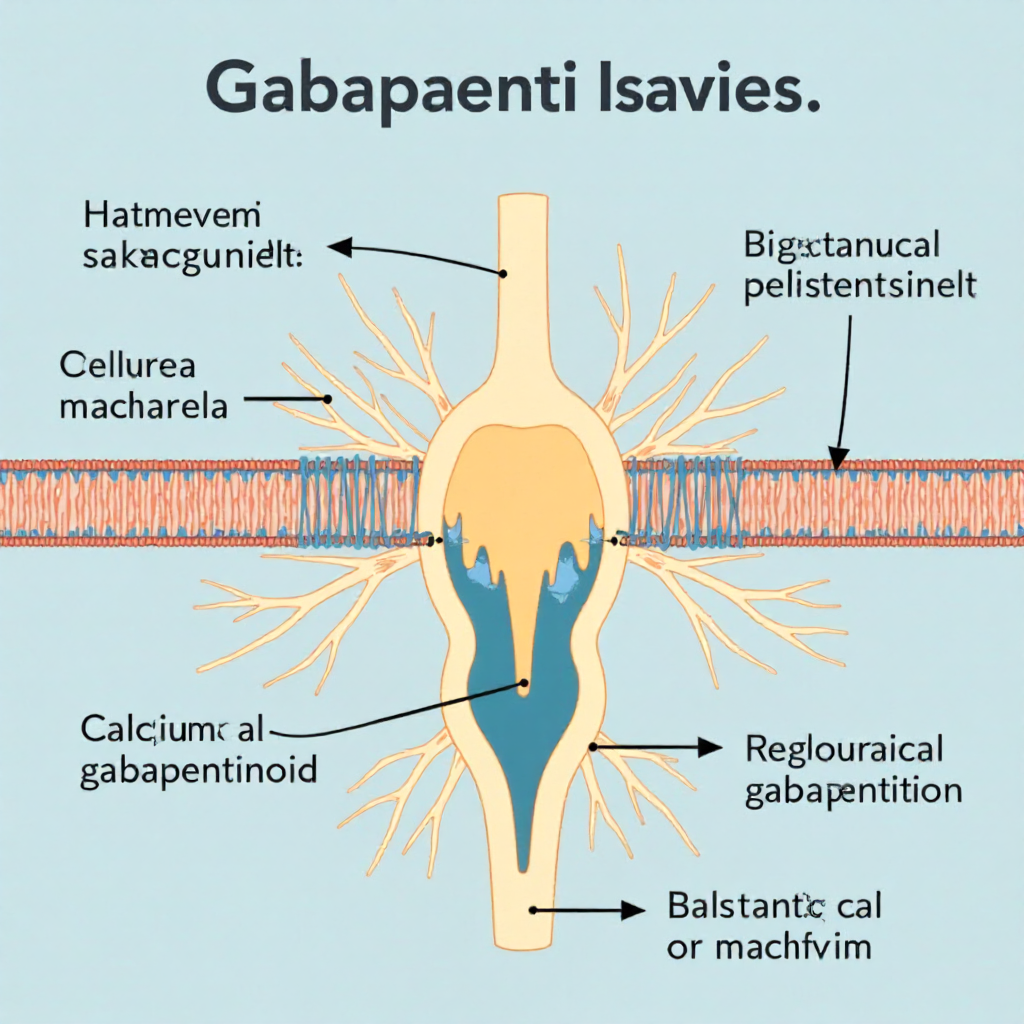
Both medications work by binding to the alpha-2-delta subunit of voltage-gated calcium channels in the nervous system. This is the core mechanism that makes both drugs effective for nerve pain.
In plain terms: when nerves are damaged or overstimulated, they fire abnormal electrical signals that the brain interprets as pain. By binding to calcium channels in those overactive nerve cells, gabapentinoids reduce the release of excitatory neurotransmitters — essentially turning down the volume on pain signals.
This shared mechanism explains why both drugs are used for conditions like diabetic peripheral neuropathy and postherpetic neuralgia. It also explains why their side effect profiles overlap so significantly. The structural difference between the two molecules is subtle, but it produces meaningful differences in how efficiently the body absorbs and uses each drug.
Effectiveness for Neuropathic Pain — What Does the Evidence Say?
For most neuropathy types, both drugs show meaningful pain relief compared to placebo, but neither works for everyone. The honest answer is that clinical evidence does not establish one as universally superior — effectiveness is highly individual.
For diabetic peripheral neuropathy, pregabalin has multiple FDA-approved indications and a well-documented evidence base from randomized controlled trials. Gabapentin is also widely used for this condition, though its approval for diabetic neuropathy specifically is off-label in the US.
For postherpetic neuralgia, both drugs are FDA-approved and considered first-line treatments. Guidelines from organizations like the American Academy of Neurology place both in the same tier of recommendation for this condition.
Where pregabalin tends to have an edge in clinical practice is in the speed and predictability of response — largely a pharmacokinetic advantage rather than a difference in the drug's fundamental action on nerve pain. Patients who don't respond to one gabapentinoid sometimes respond to the other, which is why switching between them is a recognized clinical strategy.
Dosing, Bioavailability, and How Quickly They Work
This is where the two drugs diverge most clearly, and it's a difference that matters in practice. Pregabalin has a significantly more predictable absorption profile than gabapentin — and that changes how quickly patients can reach an effective dose.
Gabapentin's bioavailability is inversely dose-dependent: the more you take, the smaller the fraction your gut actually absorbs. At low doses, absorption can reach around 60%, but at high doses it drops considerably. This means that as doses increase, the relationship between the dose taken and the blood level achieved becomes less predictable. Titration is typically slow — often over several weeks — to manage side effects and compensate for this variability.
Pregabalin, by contrast, is absorbed via a more efficient transport mechanism and achieves roughly 90% bioavailability regardless of dose. Blood levels rise in a linear, predictable way. This allows for faster titration — some patients reach a therapeutic dose within a week — which can translate to quicker pain relief.
In practical terms: if you're comparing timelines, pregabalin often produces noticeable effects sooner. Gabapentin may require a longer adjustment period before you know whether it's working at the right dose.
Side Effects and Tolerability
The side effect profiles of gabapentin and pregabalin are similar, though not identical. Both carry a meaningful risk of dizziness, somnolence (drowsiness), and cognitive dulling — particularly at higher doses or during initial titration.
Common side effects shared by both drugs include:
- Dizziness and unsteadiness (especially in older adults)
- Sedation and fatigue
- Weight gain with longer-term use
- Peripheral edema (swelling in the hands and feet)
- Blurred vision
Because pregabalin reaches therapeutic levels faster, some patients experience side effects more acutely in the early weeks. Gabapentin's slower titration can feel more gradual, which some people tolerate better — though this is individual.
Weight gain deserves specific mention. Both drugs can cause meaningful weight gain over months of use, which is a real concern for patients with diabetic neuropathy who are already managing metabolic health. This is a trade-off worth discussing explicitly with your doctor before starting treatment.
One important safety note: the FDA has issued warnings about respiratory depression risk for both gabapentinoids, particularly when combined with opioids, benzodiazepines, or other central nervous system depressants. This isn't a reason to avoid these medications, but it's a conversation to have honestly with your prescriber about your full medication list.
Cost, Availability, and Controlled Substance Status
Cost and legal classification are practical factors that genuinely affect which medication patients end up using. Both drugs are available as generics, but there's a notable regulatory difference between them.
Pregabalin is classified as a Schedule V controlled substance in the United States, meaning it's recognized as having some potential for misuse or dependence, though at a lower level than Schedule II–IV drugs. This classification affects prescribing: in many states, Schedule V drugs require a written or electronic prescription and cannot be called in by phone. Some insurance plans also apply additional prior authorization requirements.
Gabapentin is not federally scheduled, though a growing number of states have added state-level scheduling due to concerns about misuse. This makes gabapentin somewhat easier to prescribe in many clinical settings.
On cost: generic gabapentin is generally less expensive than generic pregabalin. For patients paying out of pocket or with high-deductible insurance, this difference can be substantial. Brand-name Lyrica, in particular, carries a significantly higher price tag. If cost is a barrier, it's worth asking your pharmacist for a price comparison on generics before filling a prescription.
Which One Should You Ask Your Doctor About?
There's no single right answer — the better choice depends on your specific neuropathy type, how quickly you need relief, your other medications, and your financial situation.
Some general considerations worth raising with your prescriber:
- If you have diabetic peripheral neuropathy and want an FDA-approved option with a faster titration schedule, pregabalin has a stronger regulatory footprint for this indication.
- If cost is a primary concern, generic gabapentin is typically the more affordable starting point.
- If you're sensitive to side effects or taking multiple CNS-active medications, the slower titration of gabapentin may allow for more gradual adjustment.
- If you've tried one and it hasn't worked, switching to the other is a legitimate clinical option — response to one doesn't predict response to the other.
What neither drug is: a quick fix. Both require time and dose adjustment to find the right level, and both work best as part of a broader pain management plan that may include physical therapy, lifestyle changes, and treatment of the underlying condition causing nerve damage.
The decision belongs to you and your doctor, not to a comparison article. Use this information to walk into that appointment better prepared — knowing the right questions to ask makes the conversation far more productive.
Frequently Asked Questions
Is pregabalin stronger than gabapentin for nerve pain?
Not exactly stronger — but pregabalin is more efficiently absorbed, which means doses are more predictable and titration is typically faster. Some patients find pregabalin more effective in practice, but this is largely a pharmacokinetic advantage, not a difference in how the drug acts on pain receptors.
Can gabapentin and pregabalin be taken together?
Combining both is generally not recommended and is rarely done in clinical practice. Since they work through the same mechanism, taking both simultaneously increases side effect risk without meaningful additional benefit. If one isn't working, switching — rather than adding — is the standard approach.
How long does it take for either medication to work for neuropathy?
Most patients need several weeks to reach a therapeutic dose and assess effectiveness. Pregabalin's faster titration may produce noticeable effects within 1–2 weeks for some people. Gabapentin's slower dose escalation often means 3–4 weeks or longer before a fair assessment is possible. Neither drug produces immediate relief the way an analgesic like ibuprofen might.
Which drug has fewer side effects — gabapentin or pregabalin?
The side effect profiles are very similar. Some patients tolerate gabapentin's slower titration better early on; others find pregabalin's predictable dosing easier to manage. Individual response varies considerably, and the only way to know which you tolerate better is to try one under medical supervision.
Is gabapentin or pregabalin a controlled substance?
Pregabalin is federally classified as a Schedule V controlled substance in the US. Gabapentin has no federal scheduling, though several states have added their own scheduling requirements. This difference can affect how prescriptions are written and filled, and may influence insurance coverage in some cases.